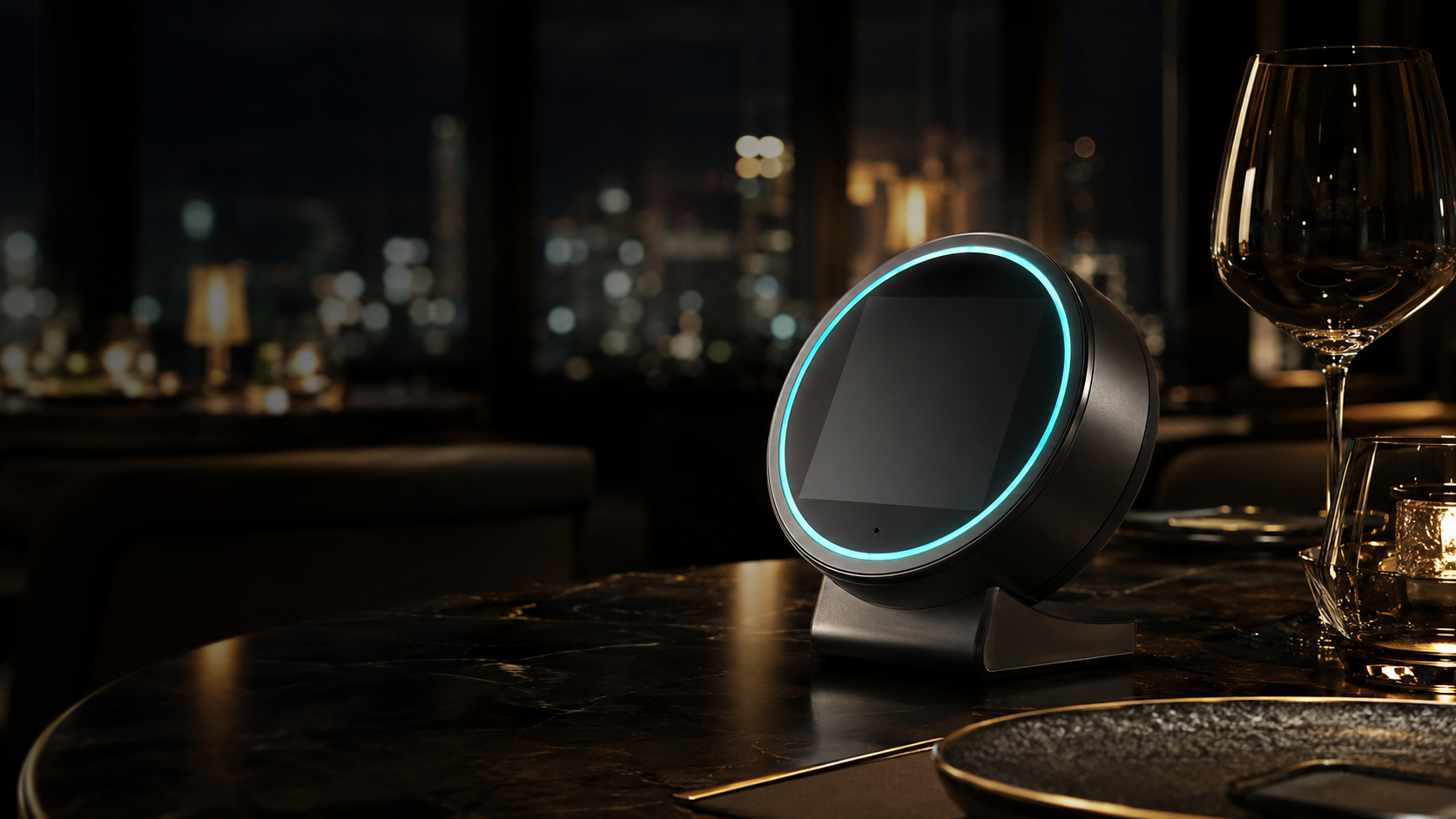
DCOOL Physical AI for Restaurants

Physical AI for Restaurants | DCOOL Table-Level Service Network

DCOOL Physical AI for restaurants connects digital humans and large language models to table identity, restaurant knowledge, service workflows, and business systems. This page explains the business problem, system mechanism, deployment requirements, and evidence boundaries for restaurant and physical commerce projects.

Physical AI for Restaurants | DCOOL Table-Level Service Network
PHYSICAL AI SERVICE NODE
KNOWLEDGE / SOP / AGENTDCOOL
01Direct answer

DCOOL Physical AI for restaurants connects digital humans and large language models to table identity, restaurant knowledge, service workflows, and business systems. Each table-side entry point carries location and permission context; an agent uses controlled knowledge and SOPs before calling deterministic restaurant tools. DCOOL validates restaurant data, existing systems, and human handoff rules before confirming the deliverable scope.

Evidence boundaryDCOOL official product information

This page describes DCOOL's published capabilities and delivery boundaries; final scope depends on project validation.

Search topics
Physical AI for restaurantsrestaurant Physical AIPhysical AI commerce platformoffline commerce AI infrastructuretable-level AI infrastructuretable-level AI service nodeDCOOL Physical AI

02Business outcome

Turn DCOOL Physical AI for Restaurants into a configurable, connected, and testable operating capability that can be validated in one workflow and replicated across approved locations.

03How it works

From conversation to an accountable business action

01

The business problem

A general chatbot cannot see table context or reliably execute ordering, service call, payment, and staff handoff workflows.

  • restaurant brands and chains
  • hotel and tourism operators
  • city and multilingual reception projects
02

How the system works

Each table-side entry point carries location and permission context; an agent uses controlled knowledge and SOPs before calling deterministic restaurant tools.

  • table and location-aware AI entry points
  • RAG, SOP, and agent orchestration
  • order, service, payment, and human handoff tools
03

Deployment and evidence boundaries

DCOOL uses discovery, data and API review, a controlled pilot, on-site acceptance, and phased rollout. Final DCOOL Physical AI for Restaurants scope depends on verified interfaces and project acceptance.

  • menu prices, stock, and order status remain controlled by the restaurant system
  • allergy, payment, and uncertain requests are escalated to staff
  • demo data is never presented as an operating result

04FAQ / KNOWLEDGE

Frequently asked questions

Clear answers based on DCOOL’s product boundaries and deployment method.

01Who is DCOOL Physical AI for Restaurants designed for?

A general chatbot cannot see table context or reliably execute ordering, service call, payment, and staff handoff workflows. It is designed for restaurant brands and chains, hotel and tourism operators, city and multilingual reception projects. Data, interfaces, and operating conditions are validated before delivery.

02How is DCOOL Physical AI for Restaurants deployed?

DCOOL uses discovery, data and API review, a controlled pilot, on-site acceptance, and phased rollout. Final DCOOL Physical AI for Restaurants scope depends on verified interfaces and project acceptance. DCOOL recommends validating one store or workflow before a phased rollout.

03What are the operating boundaries of DCOOL Physical AI for Restaurants?

The system keeps data sources and execution states explicit. menu prices, stock, and order status remain controlled by the restaurant system; allergy, payment, and uncertain requests are escalated to staff; demo data is never presented as an operating result. Uncertain or sensitive requests are handed to staff.